The best digital point and shoot camera for concert photography in 2026
You know the saying - it’s not about what camera you have, but it’s the one you have on you. There are loads of cameras on the market, of all different shapes and sizes. This article will act as a little bit of a buying guide with some examples of photos I’ve taken, but also important things to consider when first starting out wanting to take photos at concerts.
What you allowed to take in
This is always going to be the most frustrating aspect of getting into concert photography, and this is relative to film photography and videography too, but it’s hugely important to be aware of every venues camera policy. The blanket term is ‘anything that looks professional’, or in many cases ‘cameras with detachable lenses’ are strictly not allowded. Let’s take the camera policy of the O2 Arena in London.
‘Cameras:Small personal cameras are fine to bring in, but please turn off the flash. Larger SLR cameras, SLR-like cameras and GoPros aren’t allowed into the venue – following the request of the event promotor.’
And secondly the camera policy for OVO Wembley Arena in London.
Our standard policy dictates that anything with a 35mm+ lens, professional-type cameras (with large or detachable lenses), audio/video recording equipment, and tripods are not permitted. Neither are Selfie sticks, Go Pros, iPads, or clip-on lenses for phones.
The worst case scenario is that they refuse entry or escort you to the bag drop area to check in your camera at your own cost - so it’s best to play it safe! That’s why small, pocket sized point & shoot cameras are perfect for concert photography when you don’t have permission. They can go undetected in your pocket and often unnoticable by security.
Disclaimer: I’ve often had to fight a small battle with security stating their own camera policy. Every venue is different and some venues often have tight security and will say it’s their way or the highway. So be careful, keep calm and know your venue policies before heading out.
Zoom range
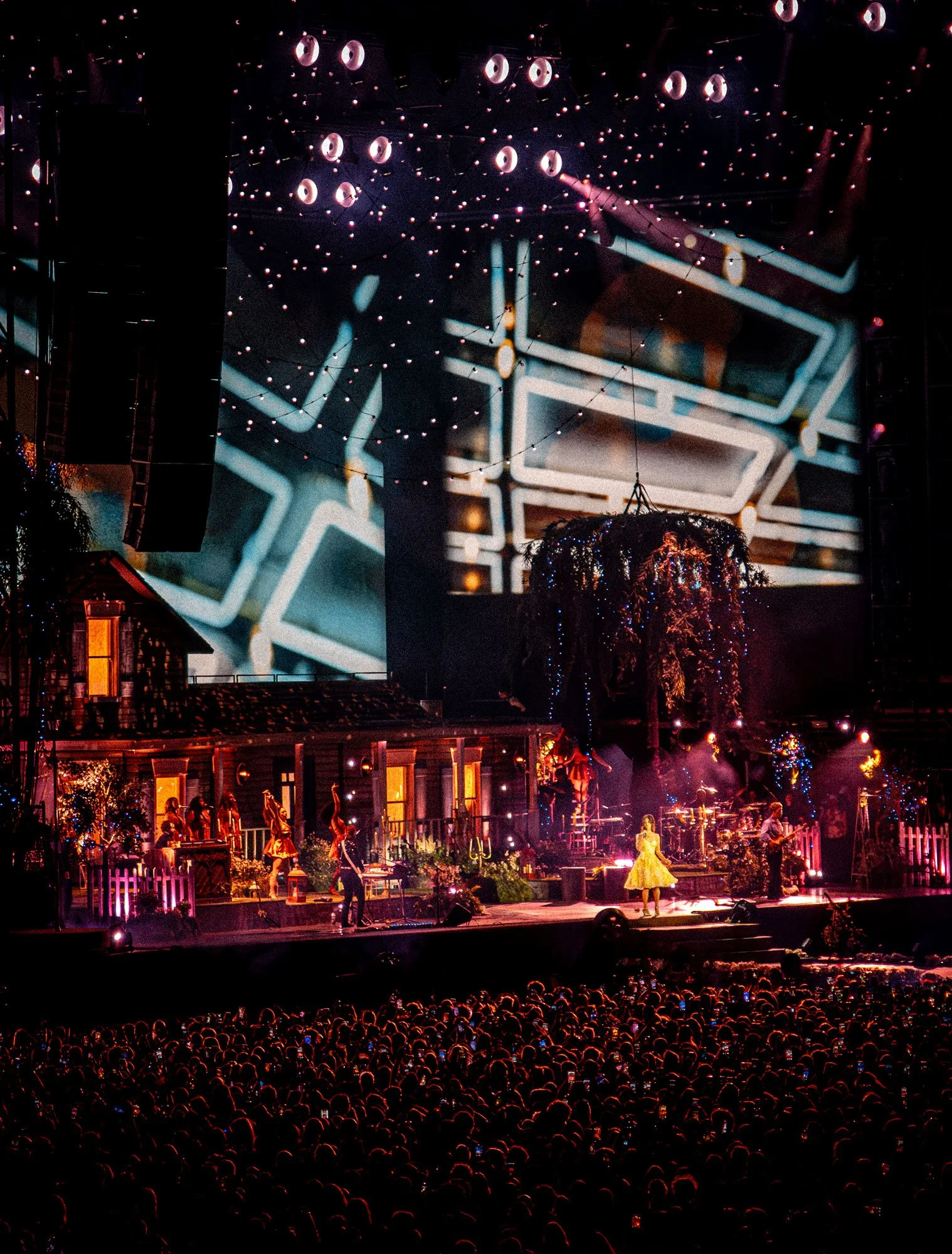
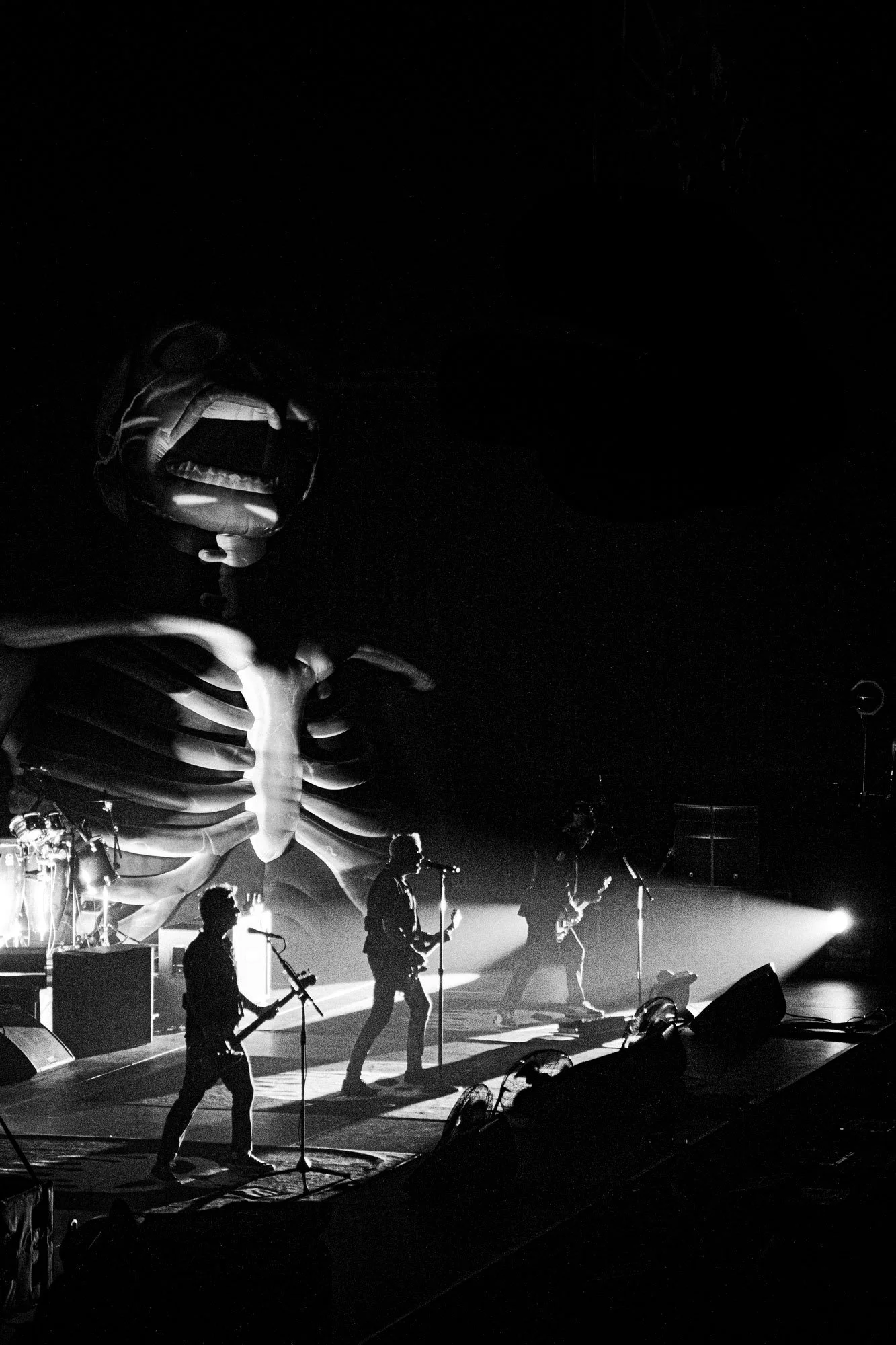
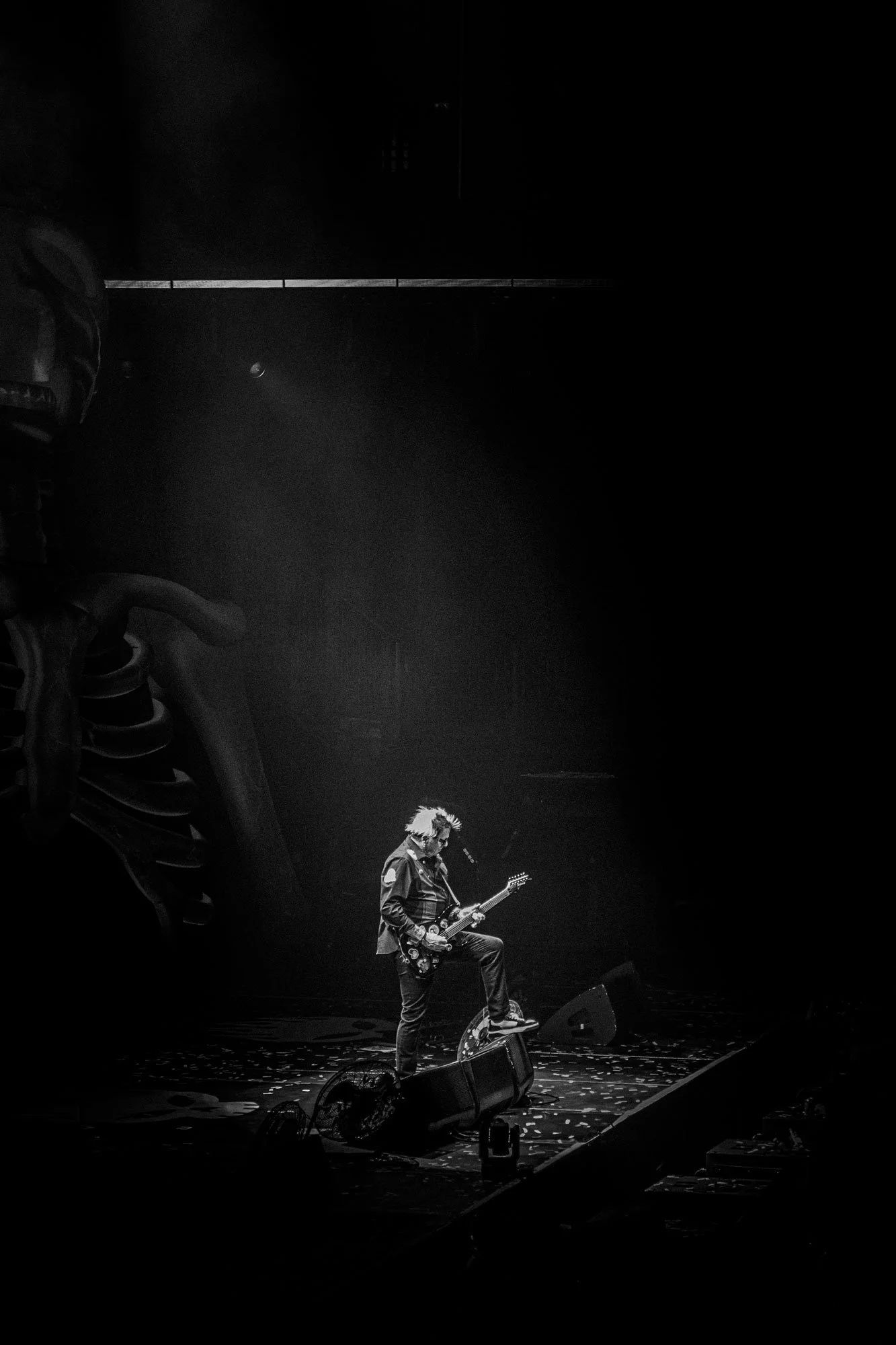
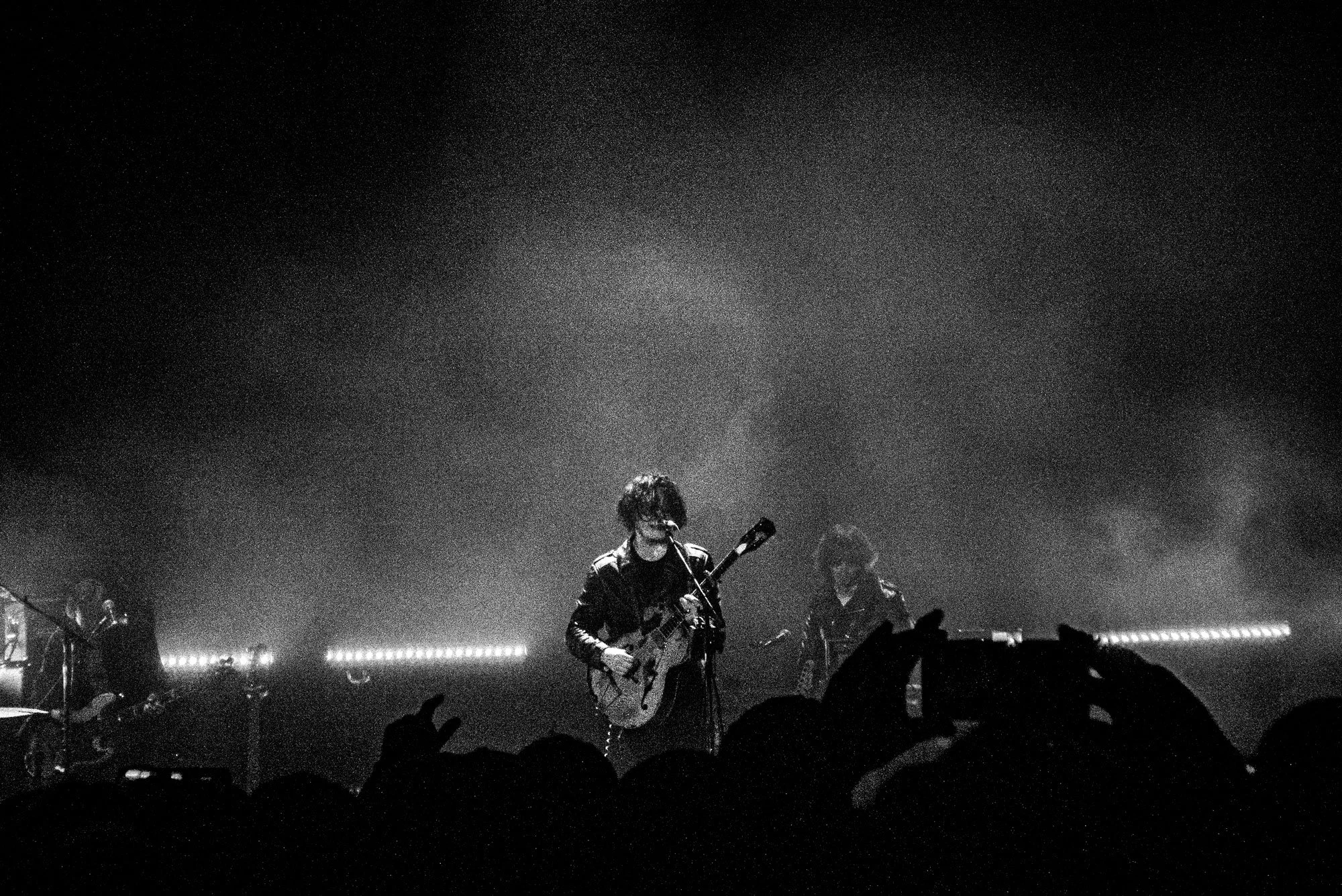
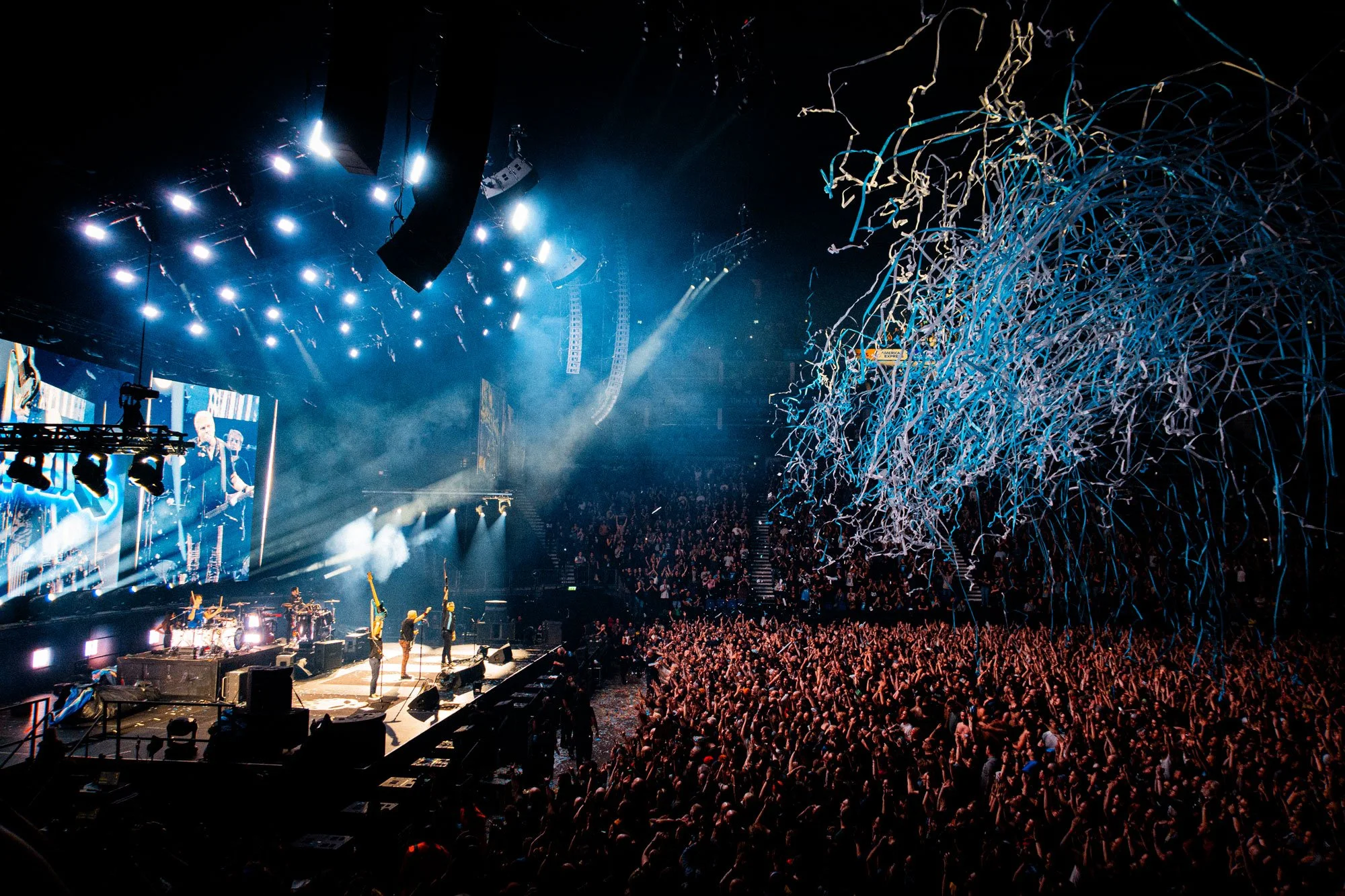
I’ll be honest, this is one of the first things that I look for when considering a point and shoot for concert photography. It’s pretty challenging getting to the front for shows, if you’re not dedicated to camping out the night before in some instances. If you’re like me, you can’t always afford to purchase the best seats, or sometimes you don’t want to be in the mosh pit at the worry of someone knocking your camera out of your hands - so you want to be further back. Having a camera that as sufficient opitcal zoom will allow you to get interesting pictures whether you are in the venue. The zoom will also allow you to get variety - close ups and wides. This solution isn’t perfect though. Although some cameras have opitcal zoom compared to digital zoom, usually the F-stop will be higher, needing your camera to bump up the ISO to compensate and ultimately create a more grainy, less sharp image. Here’s some examples below.
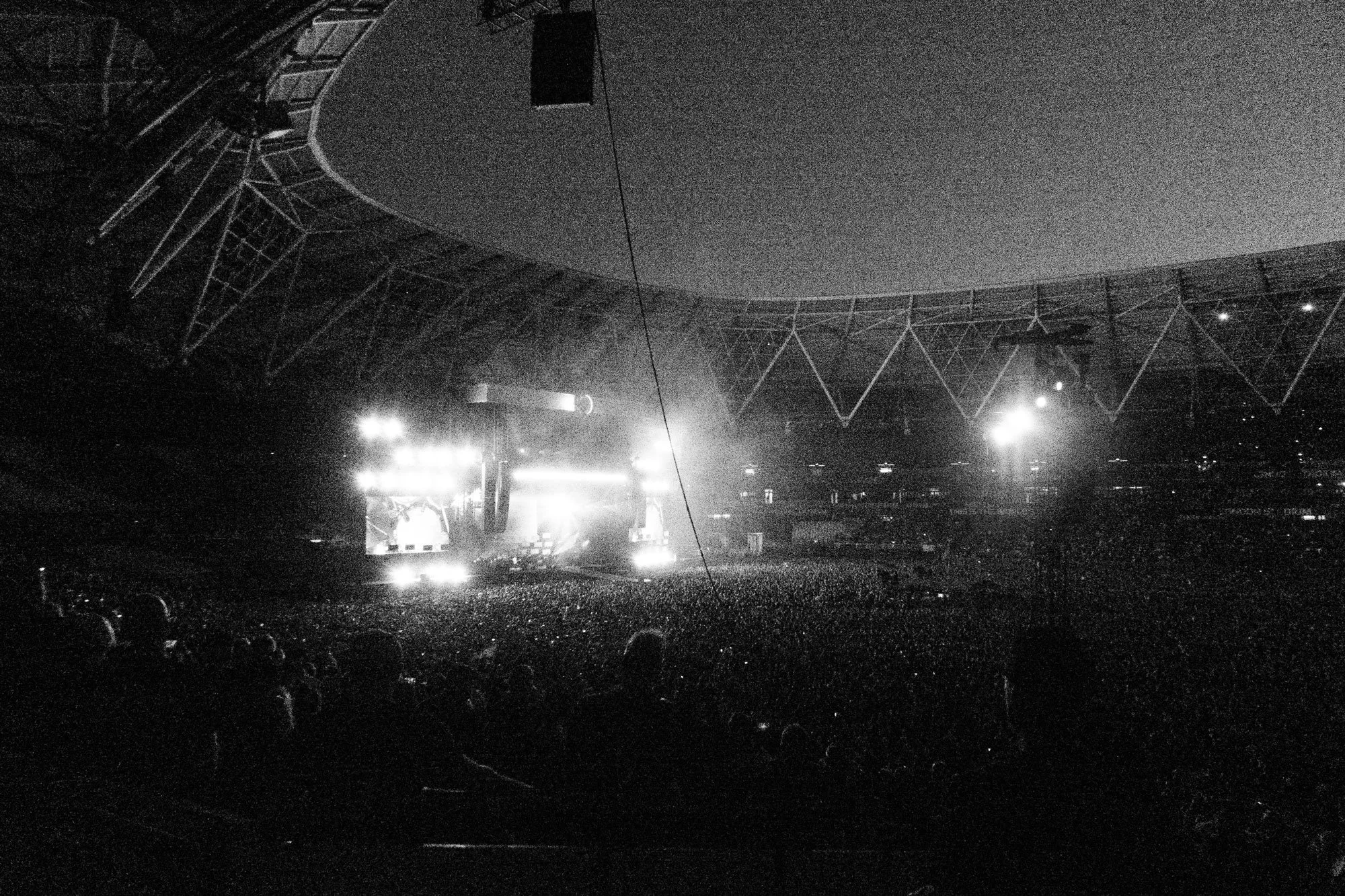
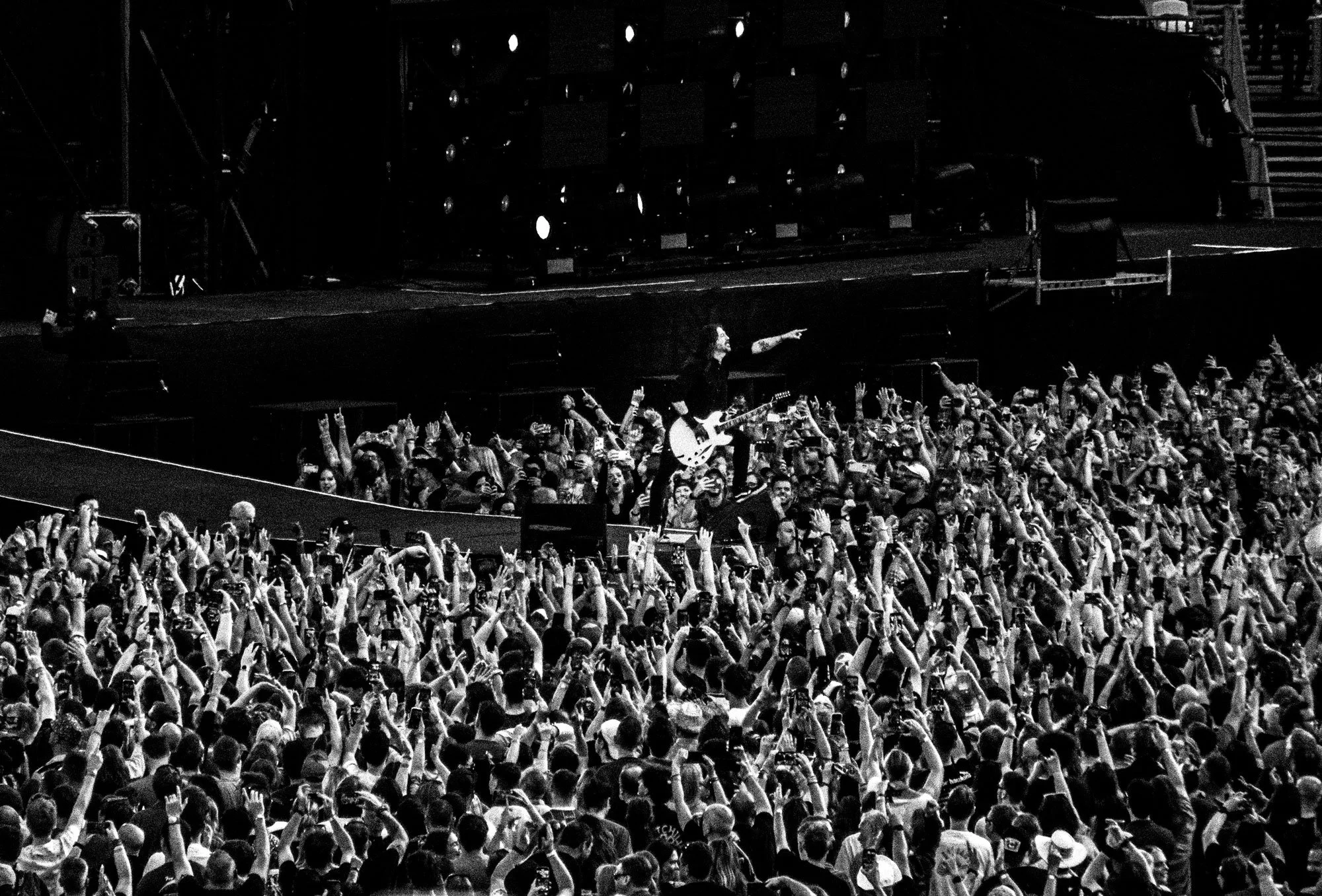
As you can see from above, two totally different styles of image from the same camera. This camera is the Sony HX99. Unfortunately I don’t own this camera anymore, but I purchased it for it’s serious focal range, so I can enjoy the show from whatever tickets I’m able to get my hands on and still take enjoyable images.
Megapixel count
I’ll only briefly mention this point as it’s slightly obvious and rather non-complicated when looking at point and shoot cameras.
The higher the pixel count > the more you’re able to crop in post to get that shot.
My favourite point and shoot camera to take to concerts is the The Leica C (Typ 112), which is only a 12.1MP camera, and the majority of pictures, I don’t think you’ll be able to notice the difference between this and a 20MP camera. It’s sensor is different and will result in a superior / inferior image. Most point and shoot cameras from the last 10 years will likely have a high megapixel count of around 20MP - so you’ve got nothing to worry about here.
Price
Now the important stuff, price. Just because a point and shoot camera is small, it doesn’t mean they don’t come with a small price tag. As we mentioned at the start of the article, the best camera is the one that you have on you, so start with what you can afford and go from there. I love the Canon brand of cameras, as I enjoy the menu system, colours and recent features like bluetooth, so you can ping the images to your phone rather than having to offload them though some long-winded method. Here below are my recommendations at different price points to help get you started.
Leica D-Lux 8 - £,1450 New - I love how sharp Leica lenses are
Fujifilm X100V - £1,168 Used - The built in recipes will mean you get a film emulated image without needing to professionally edit
Canon G7XIII - £859 New - Best overall
Panasonic Lumix Tz99 - £519 New - Good zoom range at 24-720mm
Copyright
Just one final point to add if you’re wanting to get started in concert photography - this is something I wish someone had told me when I first started out. Just because you’ve taken a picture of an artist and hold copyright of that individual image - it does not mean you can make profit from these images. Many people first starting out can get themselves into hot legal trouble if they aren’t aware of copyright law.
An example. Say you’ve taken a image of Foo Fighters performing at your local venue and you get killer shots being at the front of the audience and you decide to sell prints on Etsy. If caught, Foo Fighters can take you to court seeking damages for lost revenue. The correct way to go about this is to get written approval by the talent you’ve photographed in ideally a contract format, stating how you will be using their image and if it is for commercial use.
Popular stories of this include a photographer selling prints of Amyl and the Sniffers in the US without consent. Also Luke Combs team sueing a fan who sold homemade drink tumblers with his face on.
Areas where this doesn’t normally apply is if publishing on certain websites under an editorial license, which comes under more journalism than it does commerical.
Take this onboard, and post them on your socials, add to your portfolio and enjoy the process! If anything, they elevate that memory of potentially the best gig you may ever go to in your life :)
This blog contains Amazon & eBay Affiliate links, which directly supports me and the content I produce.
Or you can Buy Me A Coffee as a way to say thank you :)
References:
https://www.ovoarena.co.uk/your-visit/staying-safe