Photographing concerts with a point and shoot film camera
I’ve been shooting concerts for the past 15 years, but I’ve done this exclusively with digital formats. Although during this time, I’ve dabbled in shooting film in my spare time, it’s never once crossed my mind to shoot film at concerts, mainly for the following reasons;
With media accreditation you only have pit access for the first 3 songs (under 10 minutes) and so your time is limited to get perfect shots that resonate, because moments are fleeting.
The film developing time can take days - which is difficult when the client expect images from the event the day of, if not the following day.
Not all film cameras have automatic focus - which would be extremely difficult at concerts as it’s rare that subjects ever stand still!
Not all film cameras have a light meter - and even if you take an external light meter with you, the lighting is contantly changing!
With all this in mind, I thought why not try a smaller, more compact point and shoot - which is all automatic. I’ve tested this out in the pit at a concert but also taken it to other gigs I’ve attended in the crowd - so if you’re either of these people and want to try this out - this article is for you.
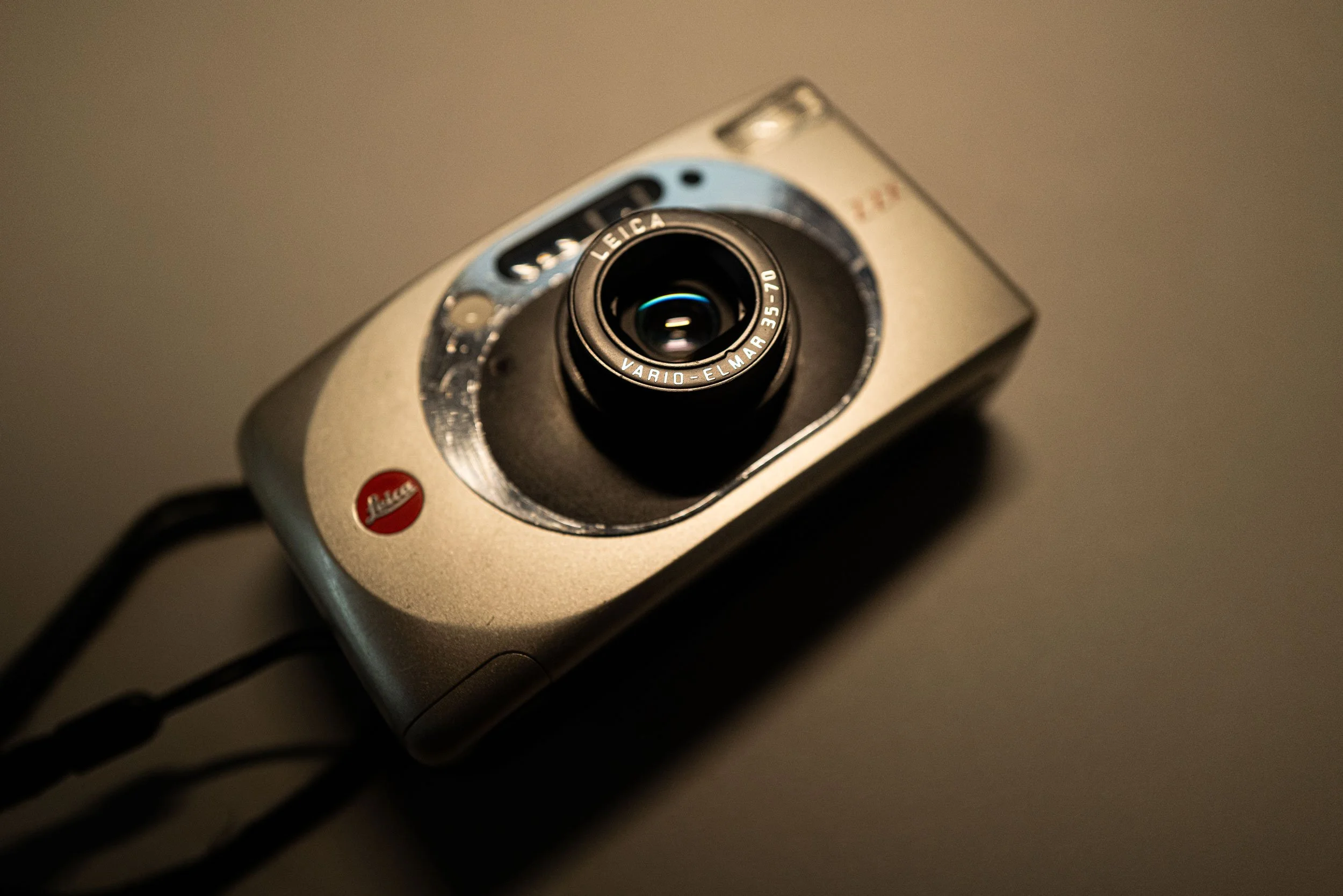
Leica Z2X, 35mm automatic film camera
The Equipment
Across the occasions shooting film at concerts, I exclusively used the Leica Z2X, which can be picked up second hand for around £100. It’s a fully automatic 35mm film camera, which was produced between 1997-2002. It features a a sharp, Vario-Elmar 35-70mm f/4.0-7.6 zoom lens. It’s a reasonable size, well built and the built-in flash is relatively good. I used this camera with rolls of either CineStill 800T or Ektar 100, where I was testing different film speeds to see what works best.
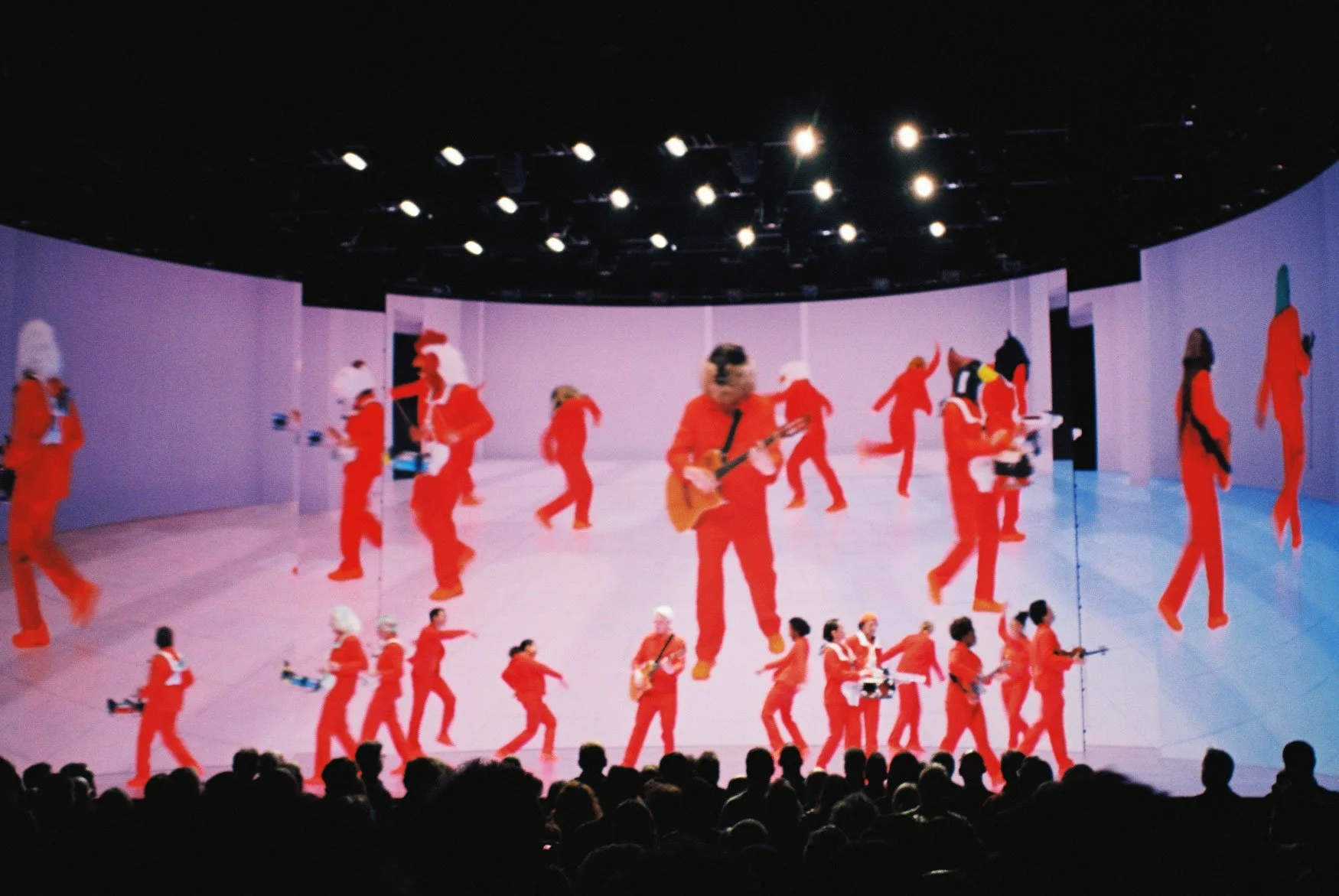
From the crowd
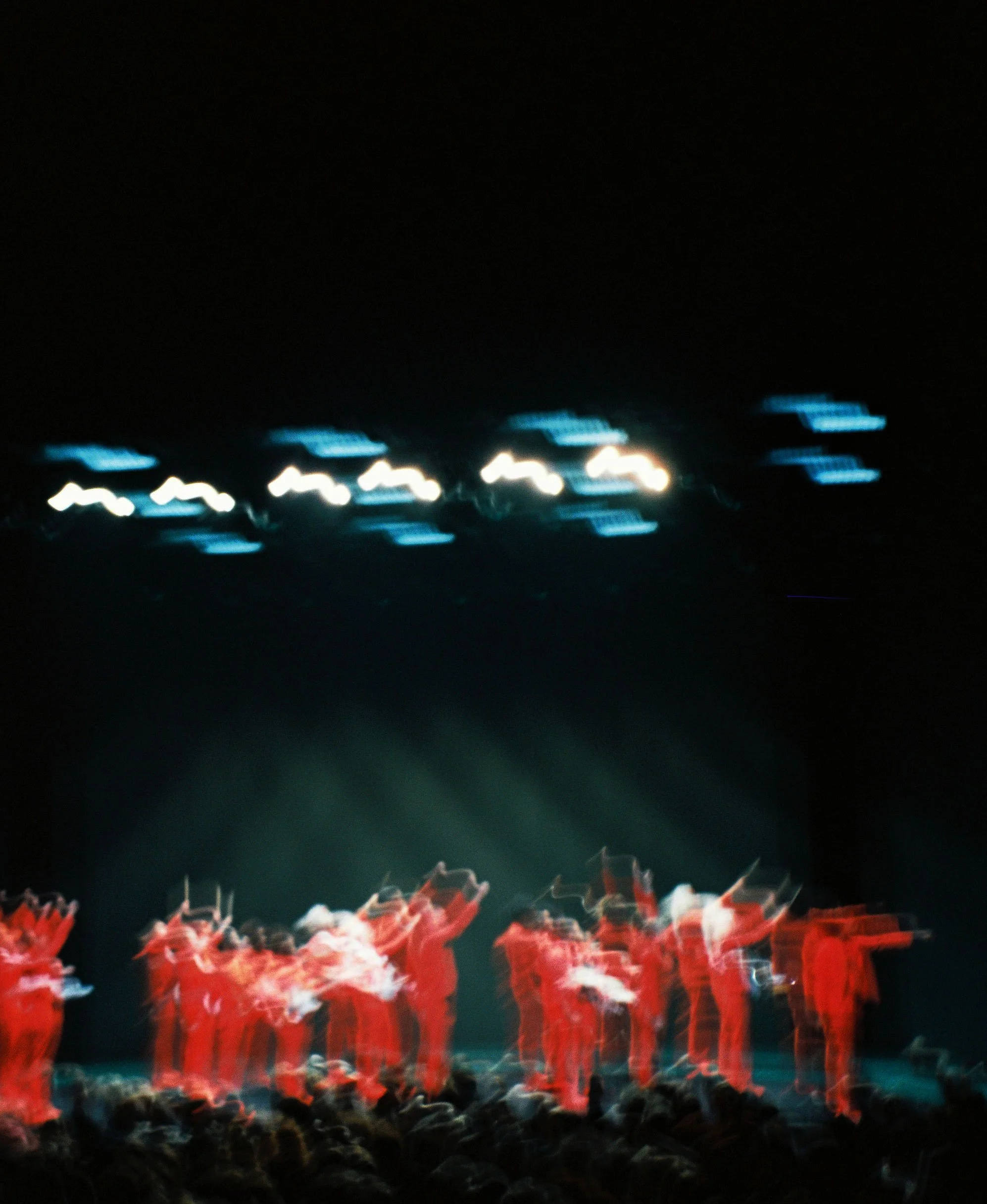
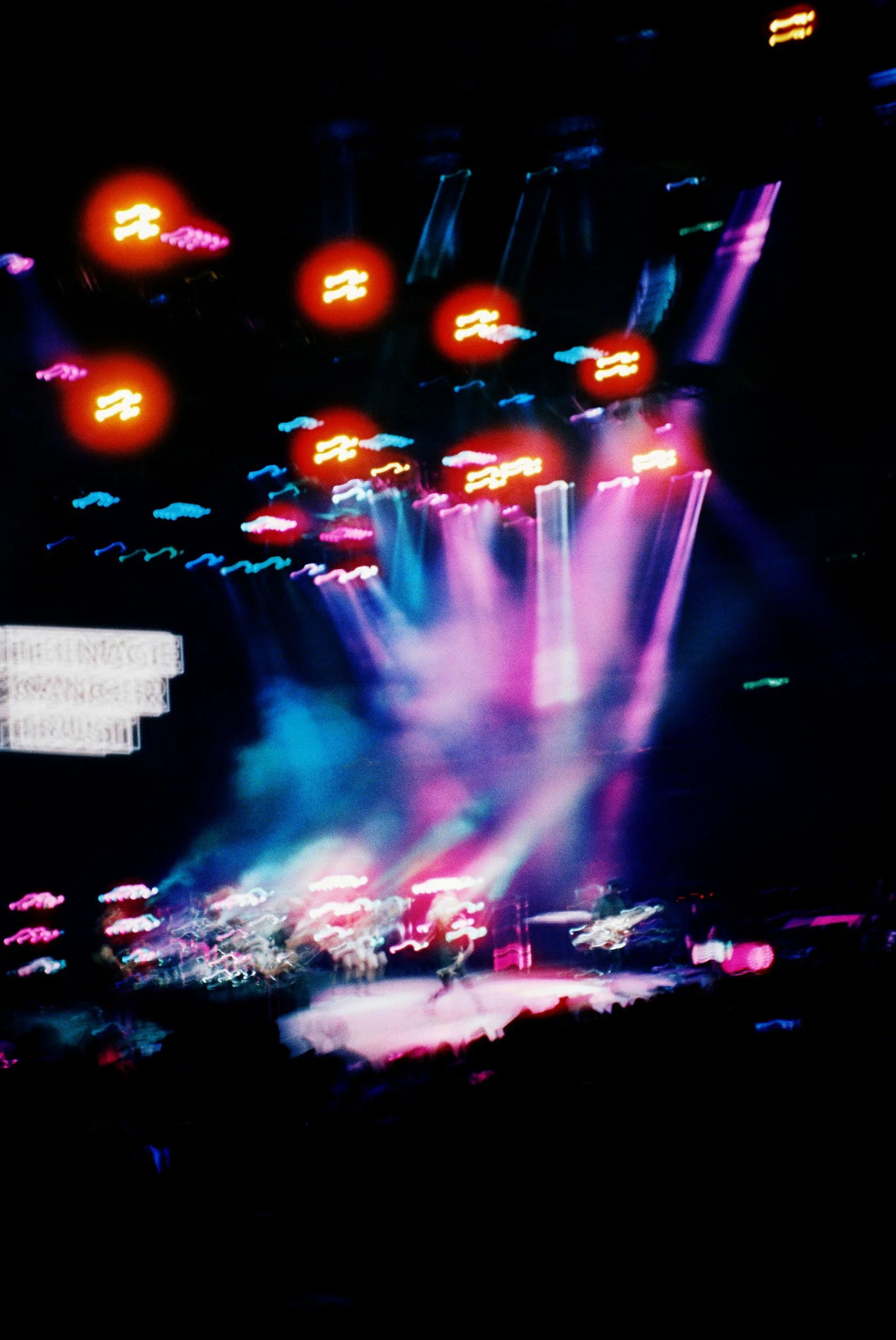
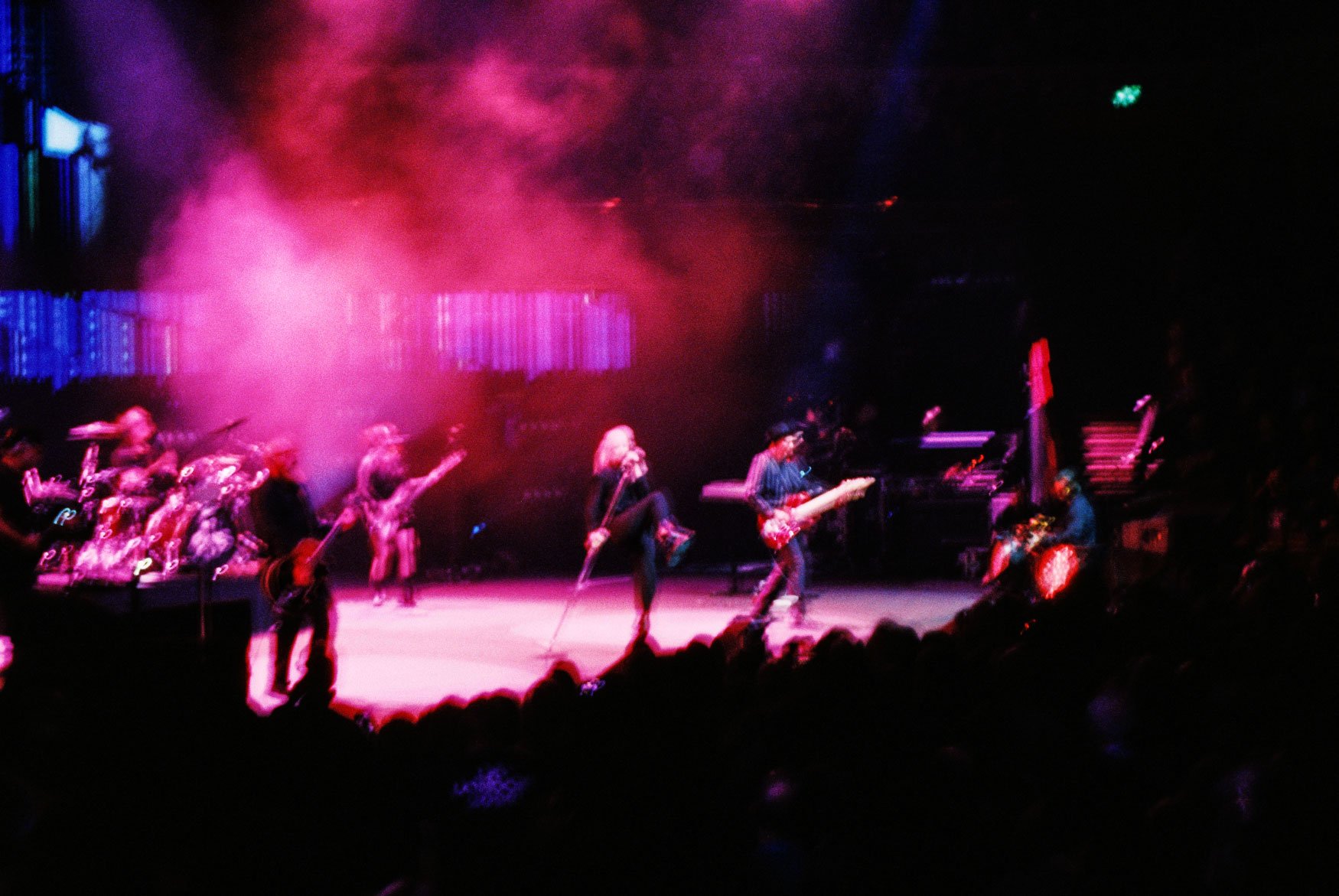
As you can see from the shots above, we have 2 shots taken at 35mm focal length and 2 shots taken at 70mm focal length - but they all consist with a heavy amount of blur. Most likely due to the camera lens being F4 when shot at 35mm and F7.6 when at 70mm and the camera can’t cope with the low level of light! And it’s trying to compensate with a slow shutter. But the shot of David Byrne at 35mm does definitely look better. I wish I could say that for the rest of the shots from that reel which I’ll show below.
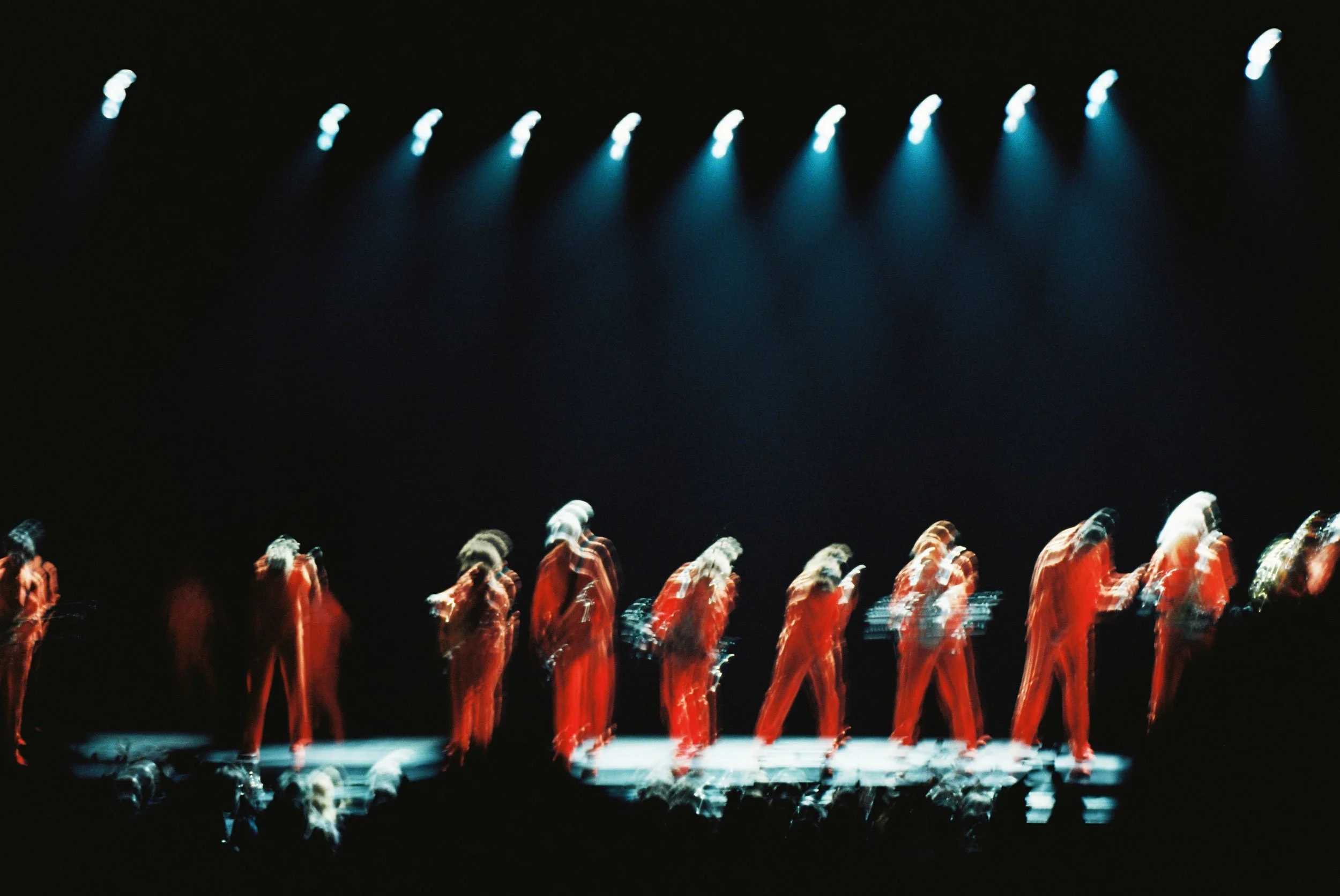
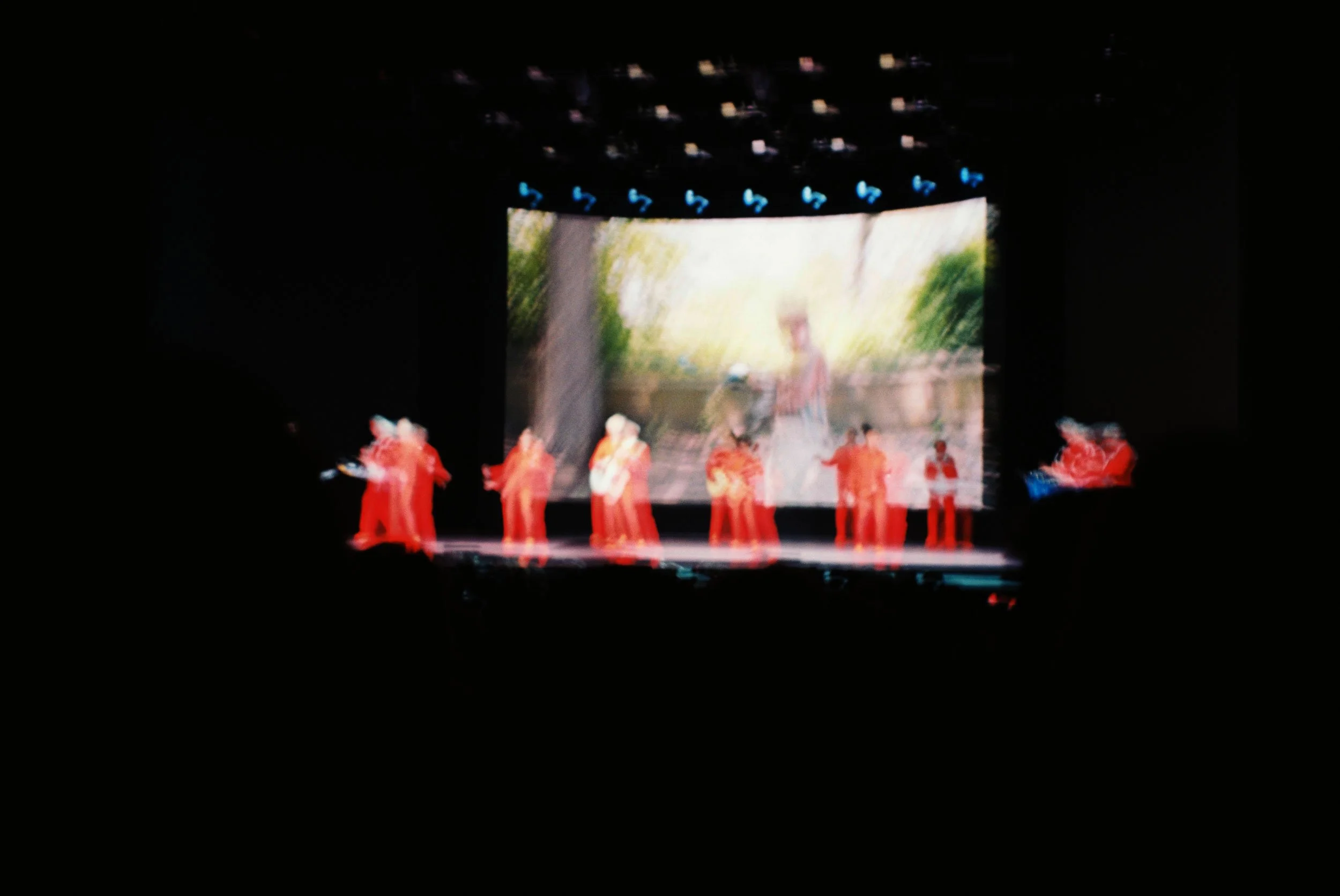
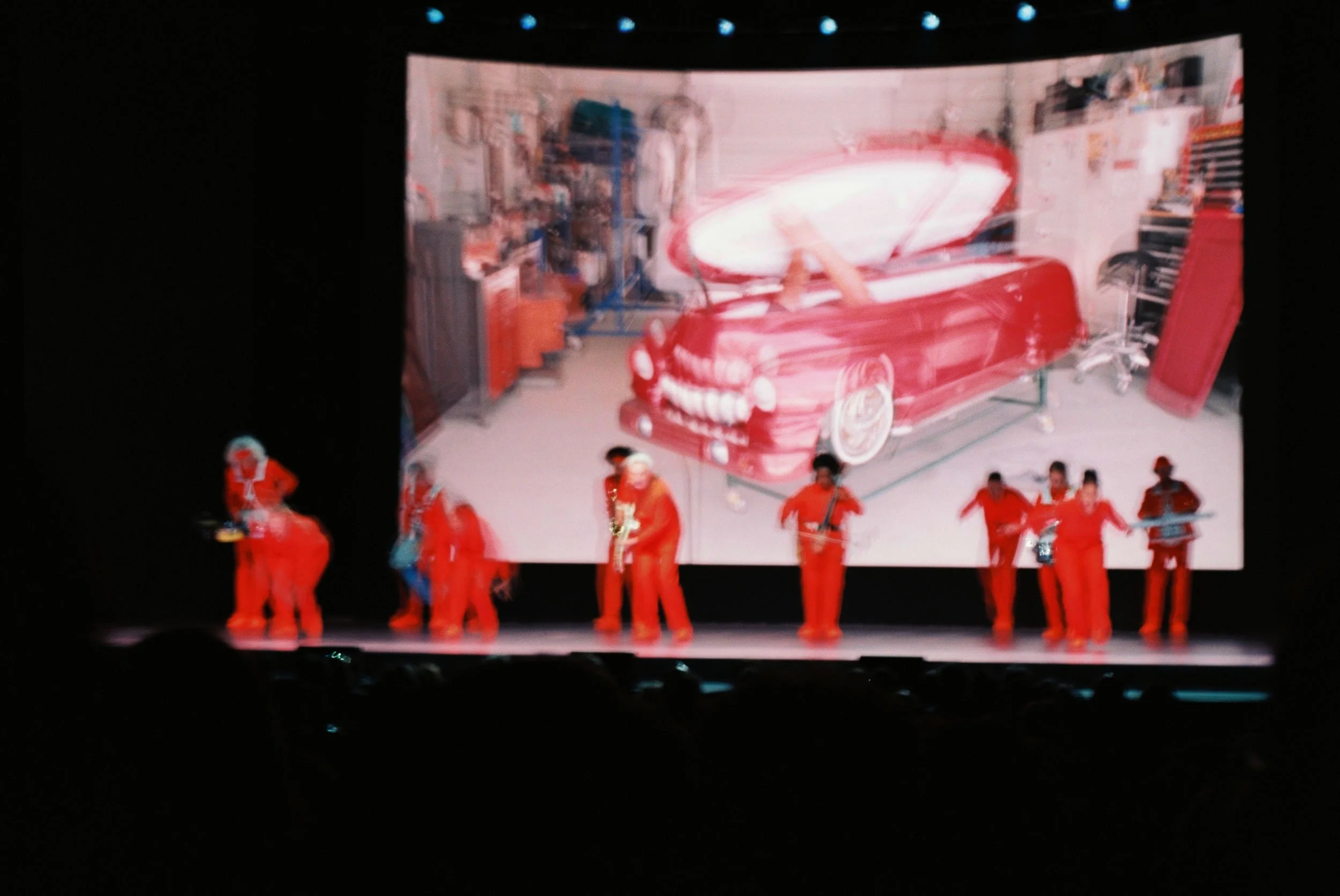
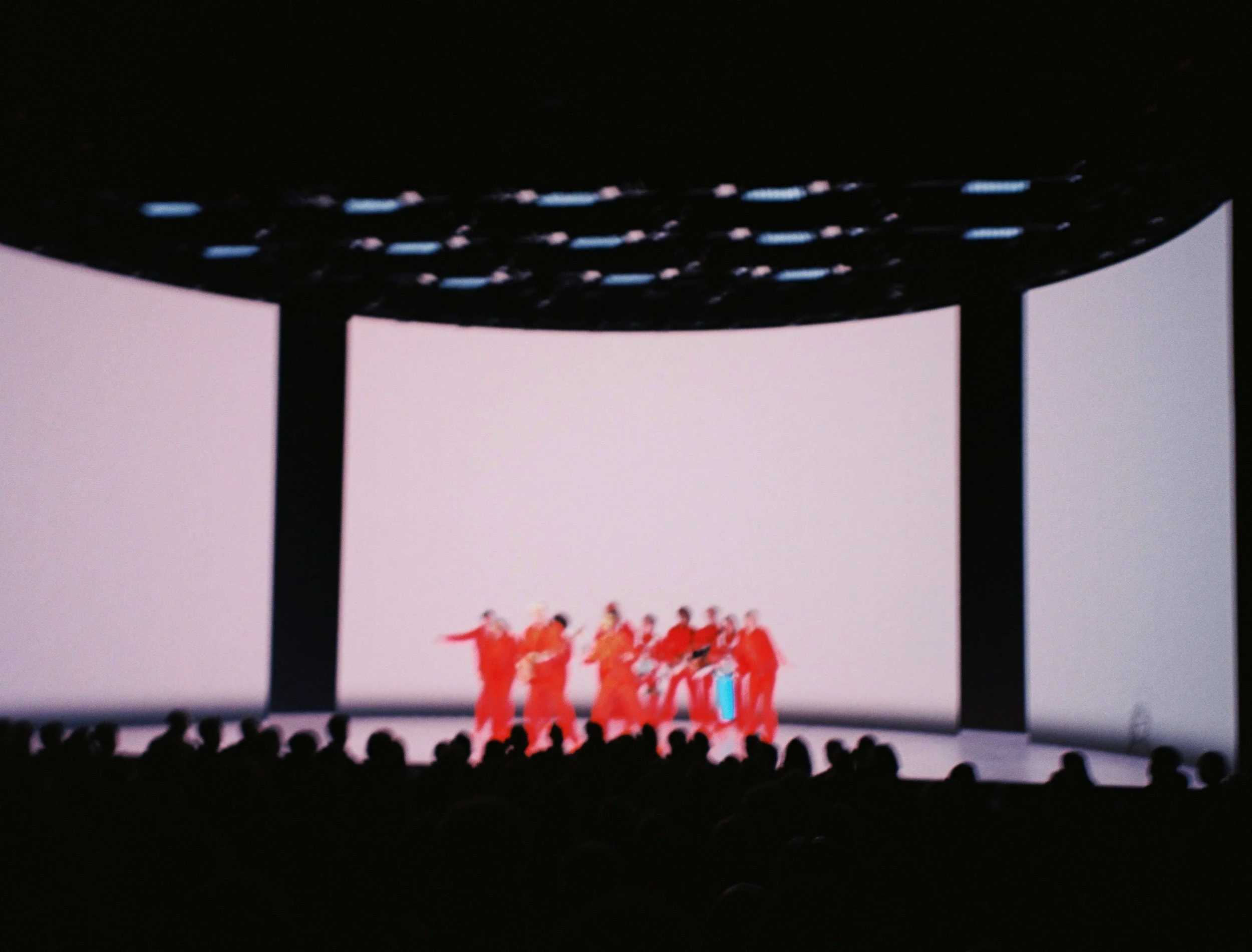
To show other shots from the roll of film which are less than ideal - it shows a variety of lighting conditions which are most likely changing too frequently for the automatic camera to react to in time. Every shot has massive blur from a slow shutter speed. Not great and won’t make the cut.
From the pit
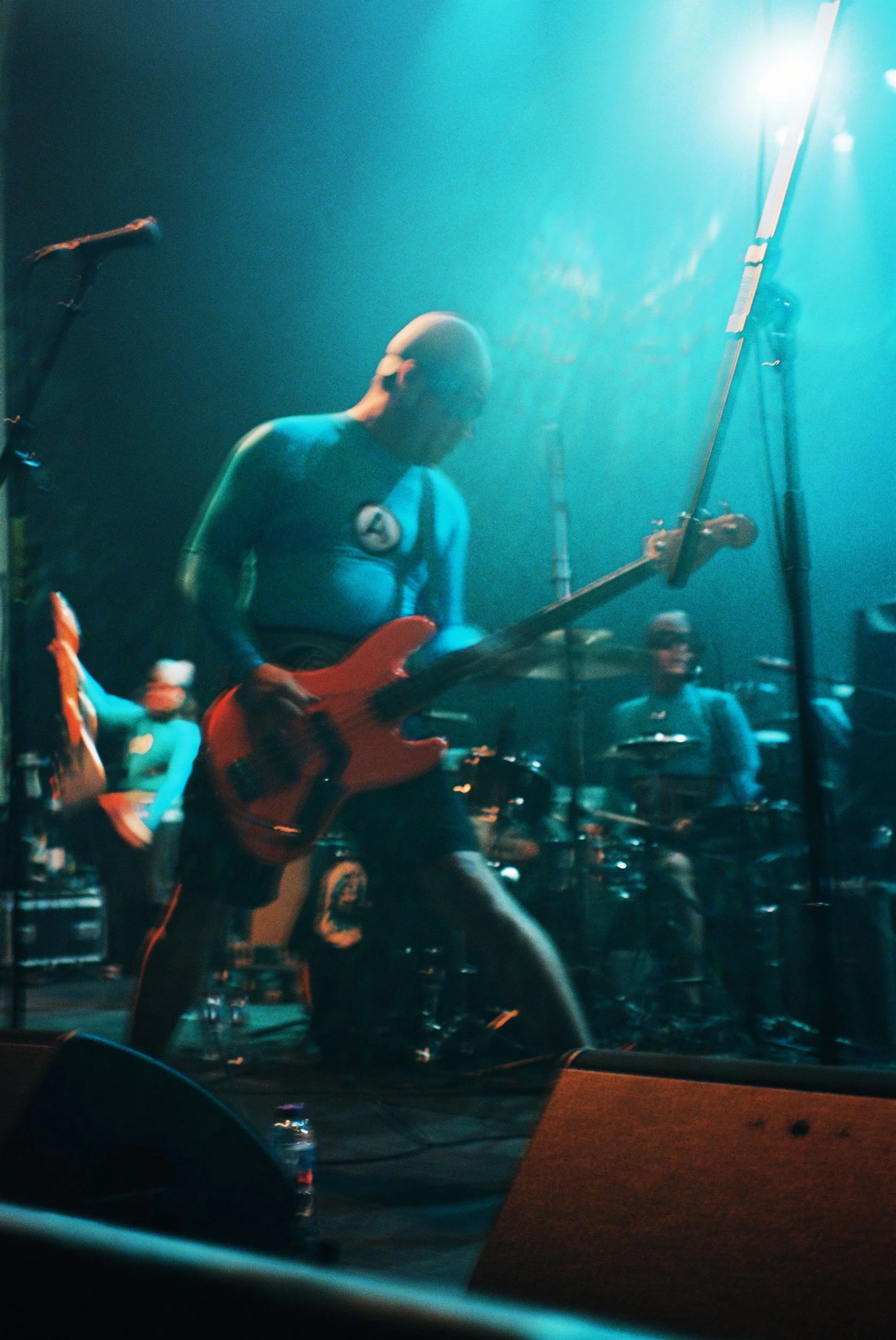
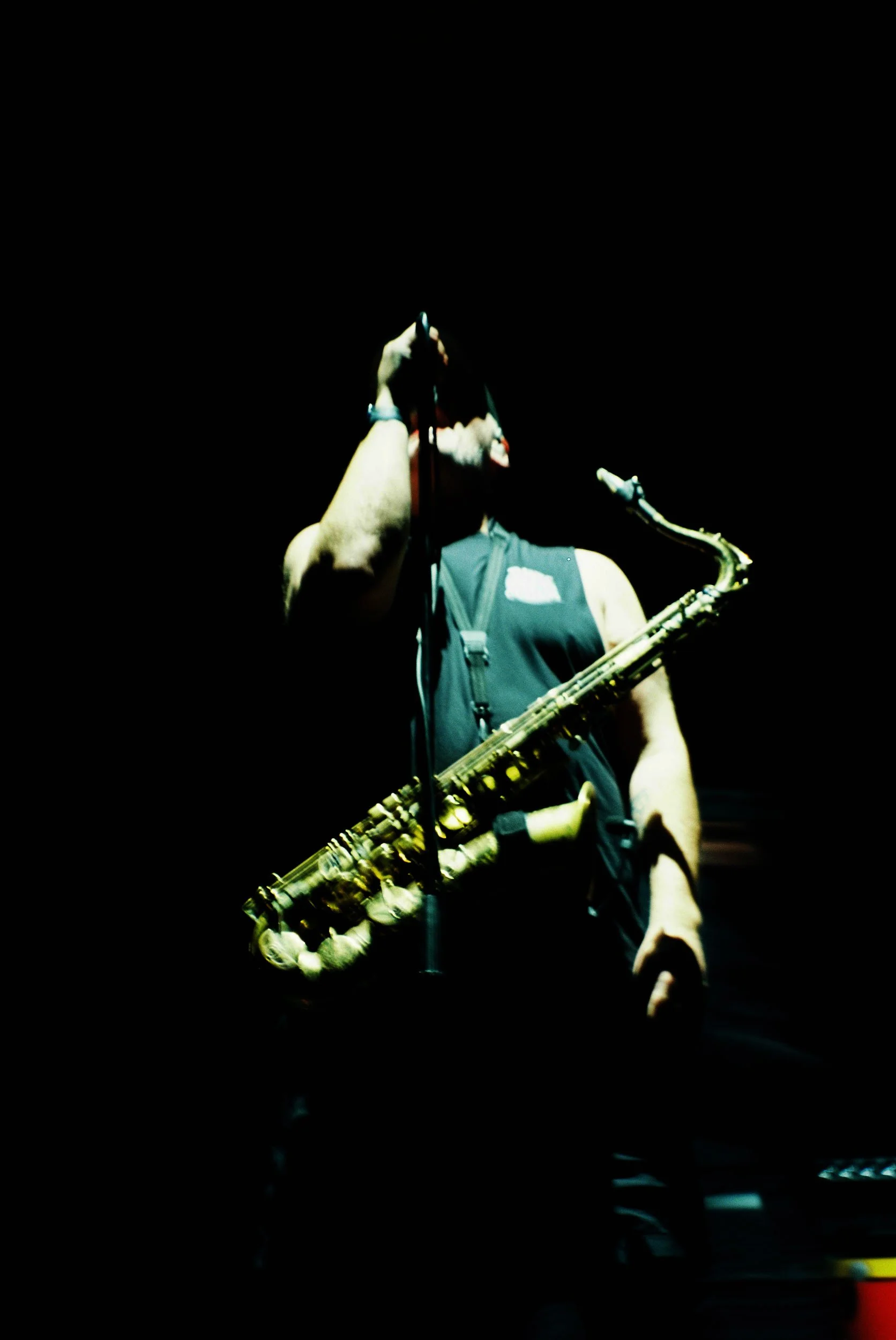
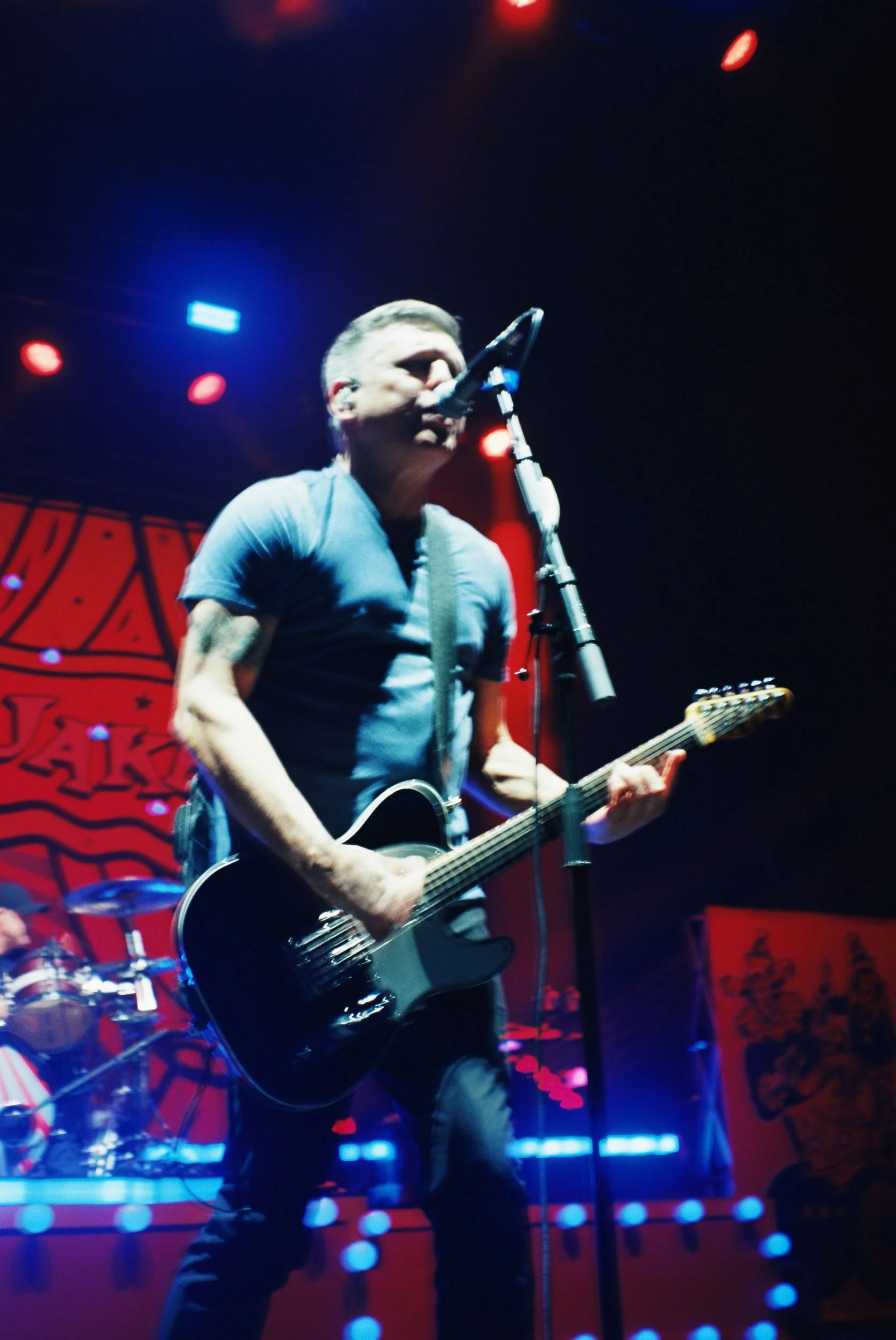
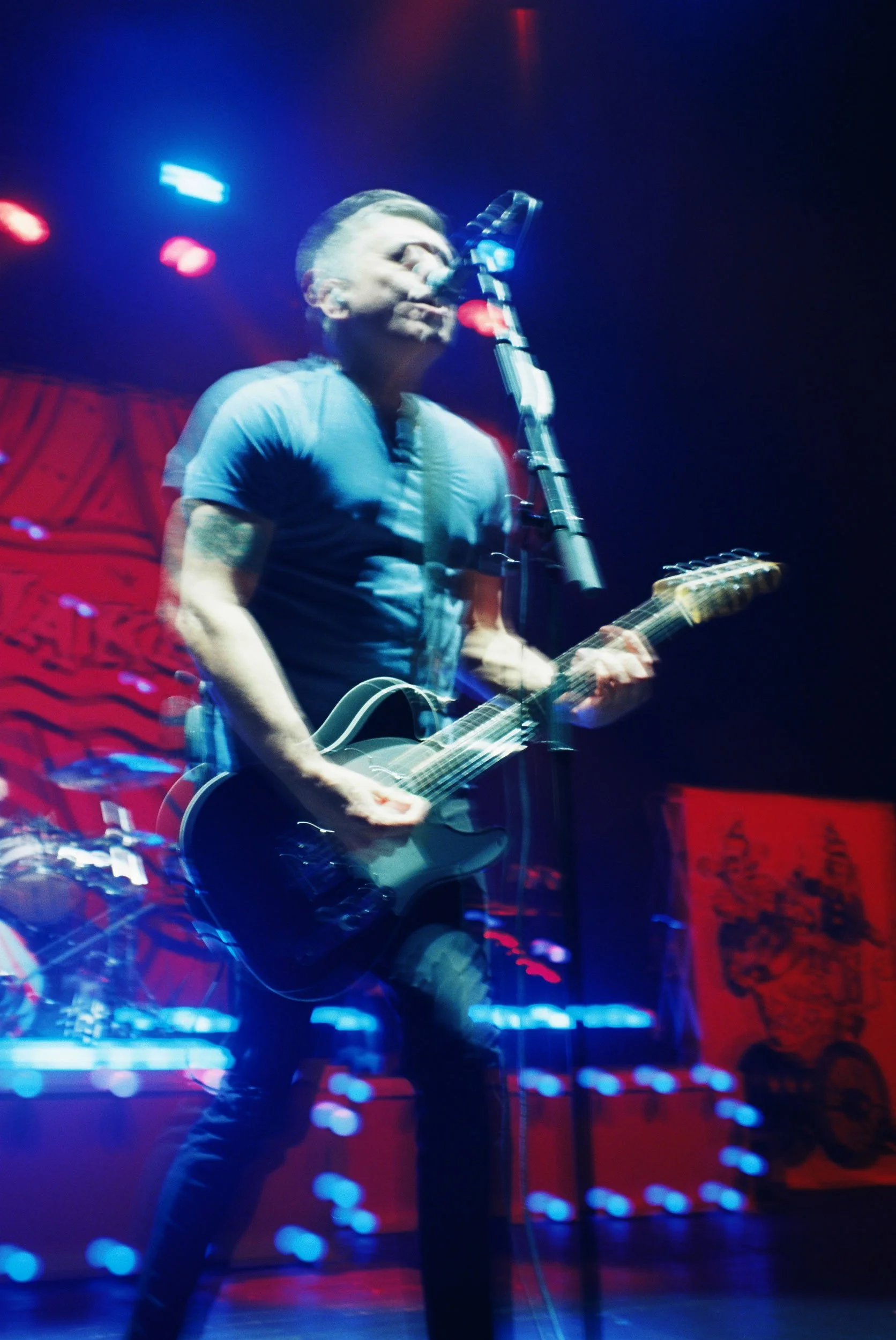
As you can see from the images above from a Less Than Jake concert, we have 2 shots side by side, same film, same focal length but one with significantly more blur. Equally, I wouldn’t want to publish any of the above due to overexposure and unflattering shadows, but hey, you might like them! I think it’s just interesting that the same subject with similar movement can produce two very different images, which showcases the unpredictable nature of shooting with film - when you can’t manually set any exposure.
As we mentioned above, the situation would be different if you had extra time in the pit and a manual camera to really nail that image!
Conclusion
A point we haven’t discussed yet is, was this process fun? Hell yeah! Trying (and sometimes) failing is part of the process, and nothing beats getting your roll of film back and taking that first peek to see how your images came out. Will I post them on my socials? Maybe a few. Will they get featured in my portfolio? Absolutely not. These images won’t help me win any new clients any time soon, but I’m keen to try out other cameras with more manual features and other film stocks to see how the varying lighting conditions will react - so keep an eye out for an update!
I’ll be keen to see your pics too :)
This blog contains Amazon & eBay Affiliate links, which directly supports me and the content I produce.
Or you can Buy Me A Coffee as a way to say thank you :)