How to become a concert photographer in 2026
So, you want to become a concert photographer? Well this article is for you. I’ve been photographing concerts off and on for the last 15 years or so - and I’ve tried many things over this timeframe to build my portfolio and secure gigs. A few things have worked, other things haven’t. But here’s me sharing what I know to help you get started in your concert photography journey. It won’t be an easy path, but it’ll be a fun one. My hope for you is that you’ll go further than me!
Disclaimer: Aside from what you see in my portfolio, I’m not a full-time photographer, and infact I see concert photography more as a side quest which I’m passionate about, as there’s been very few instances I’ve had the opportunity to be paid over the years. I’ll go into ways to make money as a concert photographer in another article, as this article is aimed at helping you getting started. I am however, a full time videographer :)
Equipment
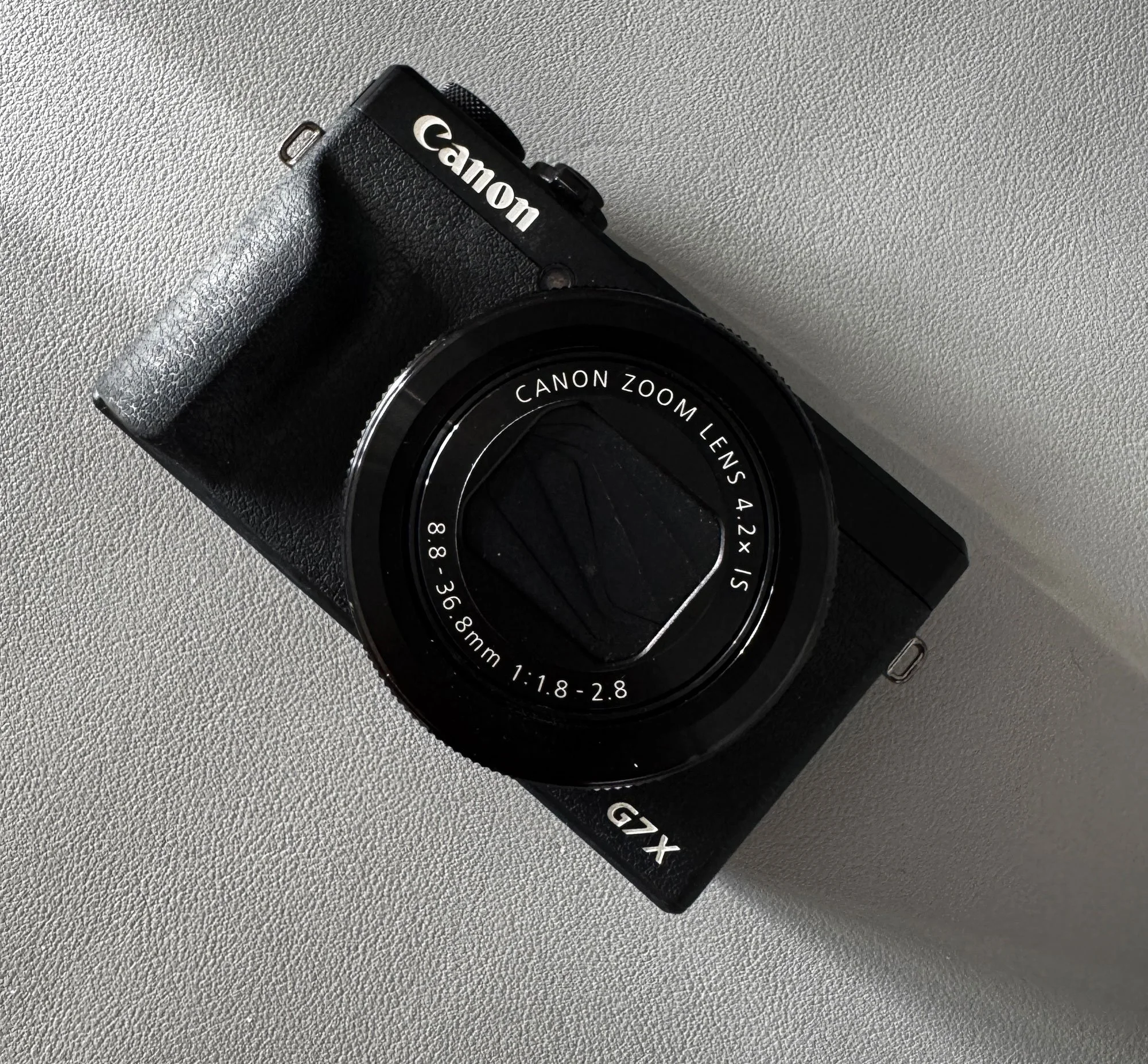
So if you’re going to be photographing concerts, you’re going to need a camera. Luckily due to the 2nd hand camera market and the constant release of new tech, you can pick up some affordable cameras and lenses quite cheaply! But the big question is, where to start? Well in short, anything will do. If you’re first starting out, taking a point and shoot pocket camera to concerts you’re already going to will be an easy move. In this article I talk about some specific cameras at varying price ranges. If you have permission to shoot concerts and can take in something bigger, you need equipment to work with low-lighting as you can’t usually use a flash and concerts are usually dark. Low F-stop lenses are the key here. A low F-stop will let in more light to your camera, resulting in less grainy photos due to your camera not needing to bump up it’s ISO to compensate for low lighting conditions. Naturally, these lenses are more expensive, but using an older camera system like Canon EF can be a good way to go. But to be honest, as we mentioned previously - any camera will do. A camera which produces RAW images rather than just .JPEG will allow extra flexability to edit.
Over time, other key attributes will be important such as; the camera FPS (frames per second), ISO sensitivity and memory card speed. Concert moments are fleeting, so you need to be ready at all times ready to capture - and you can’t be waiting around for your camera to not focus or buffer.
Portfolio
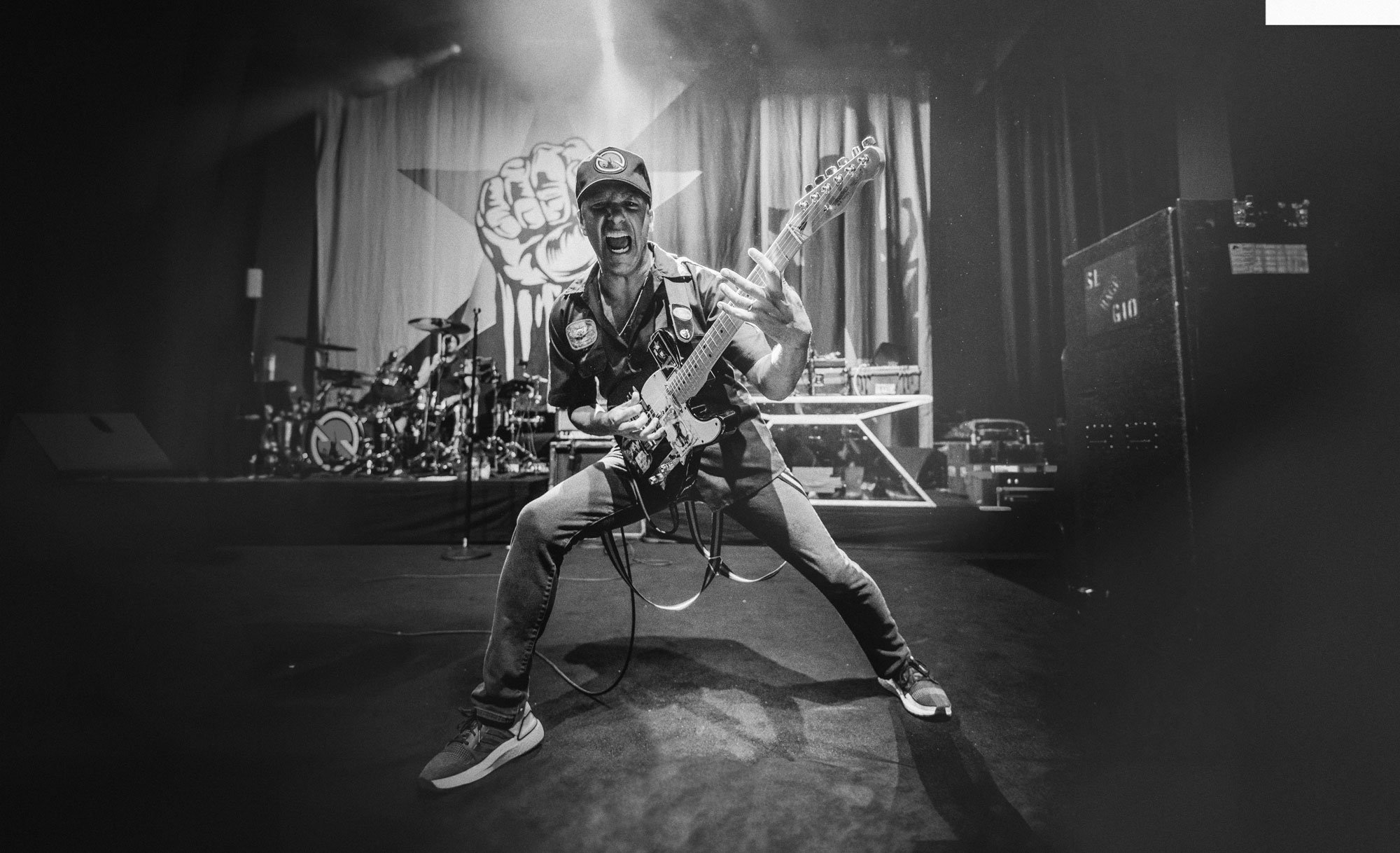
If an artist gets 10 DM’s from photographers offering to cover their show, why should they choose you? Your portfolio which you send them (social media links, website) will play a key role here. And this portfolio doesn’t explicitly need to include concert photography. Only showcase your best images, which you are proud of, which you think will resonate positively with who you are reaching out to. Every time you reach out in request to cover a concert, consider it a sales pitch and your portfolio will be a key component to this.
I’d recommend getting a Squarespace website, which starts at £12 per month. When you start using a website rather than just social pages, it starts changing your mindset on how you should position yourself and your work.
Where to start
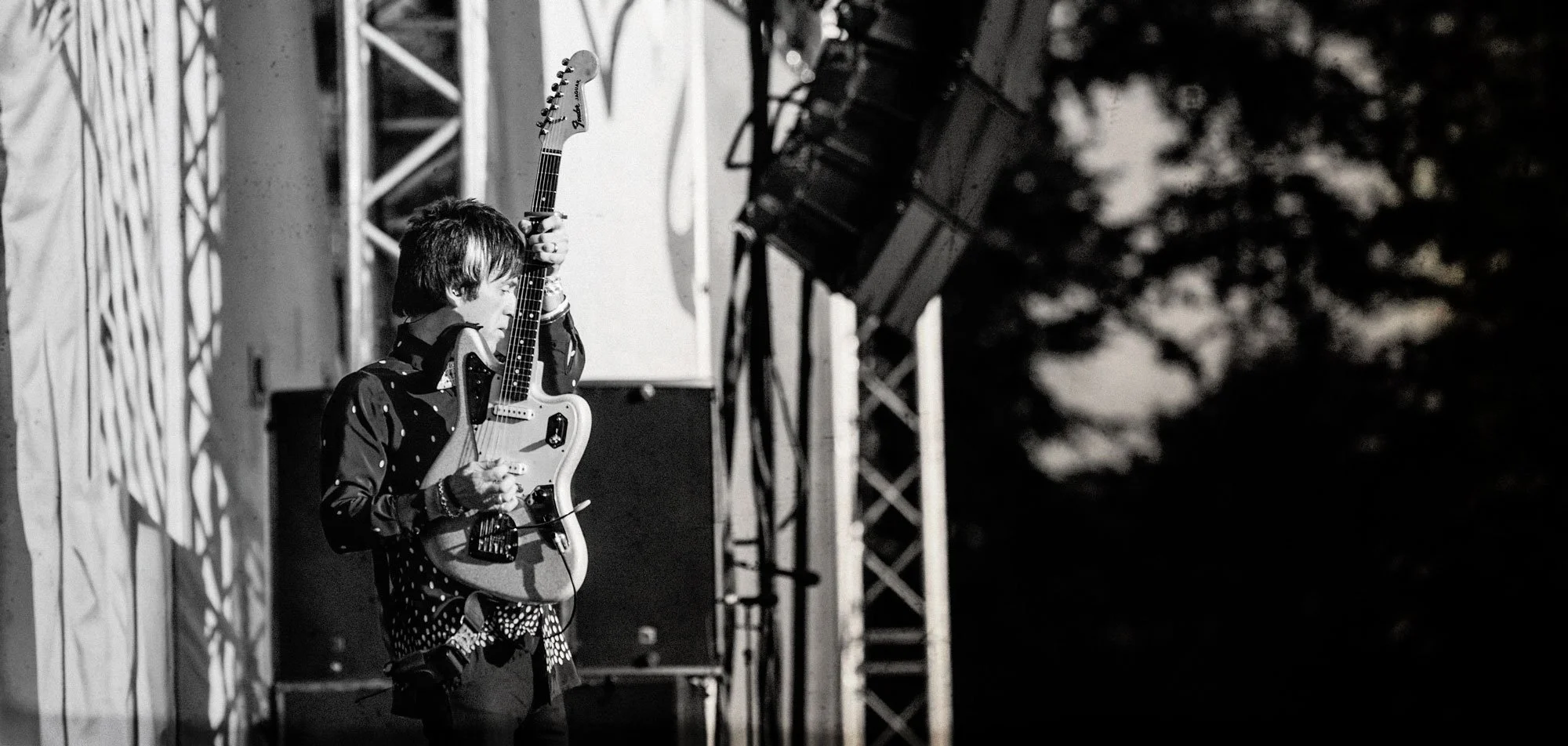
Okay, now you’ve got a camera and a solid social media profile. What’s next? You need to get comfortable with your equipment and understand how to make adjustments quickly. Consider a concert with seriously changing lighting conditions, fast movement of talent and other unpredictable elements. You need to be ready at all times. As mentioned above, you don’t want your camera buffering from trying to write too many images at once to the memory card and miss a killer moment!
As mentioned above, start taking pictures at concerts and events you already go to in any capacity. Whether that’s on your phone or more ideally, on a point and shoot. An iPhone will never replace a purpose build camera with a 1’ sensor or above.
If you are starting out and not regularly attending concerts you’ve paid for, reach out to local bands / artists to offer free coverage, until you have a decent portfolio going. As a performer myself, you would be surprised how difficult it is to find a photographer who is willing to cover smaller, local artists but also the lack of people reaching out in the first place. You can’t start with offering to shoot Olivia Rodrigo with no portfolio. Start out small, local and easy opportunities and start upping you rate per shoot a little bit at a time. You need to consider, every band now needs content - whether that’s photos, videos or both and in some ways, the showcasing the gig on socials can be more important than playing the gig itself. Use this as an opportunity and make connections. You never know, you can build a solid relationship with musicians and they might take you with them when bigger shows pop up.
Concert photography doesn’t have to start at concerts
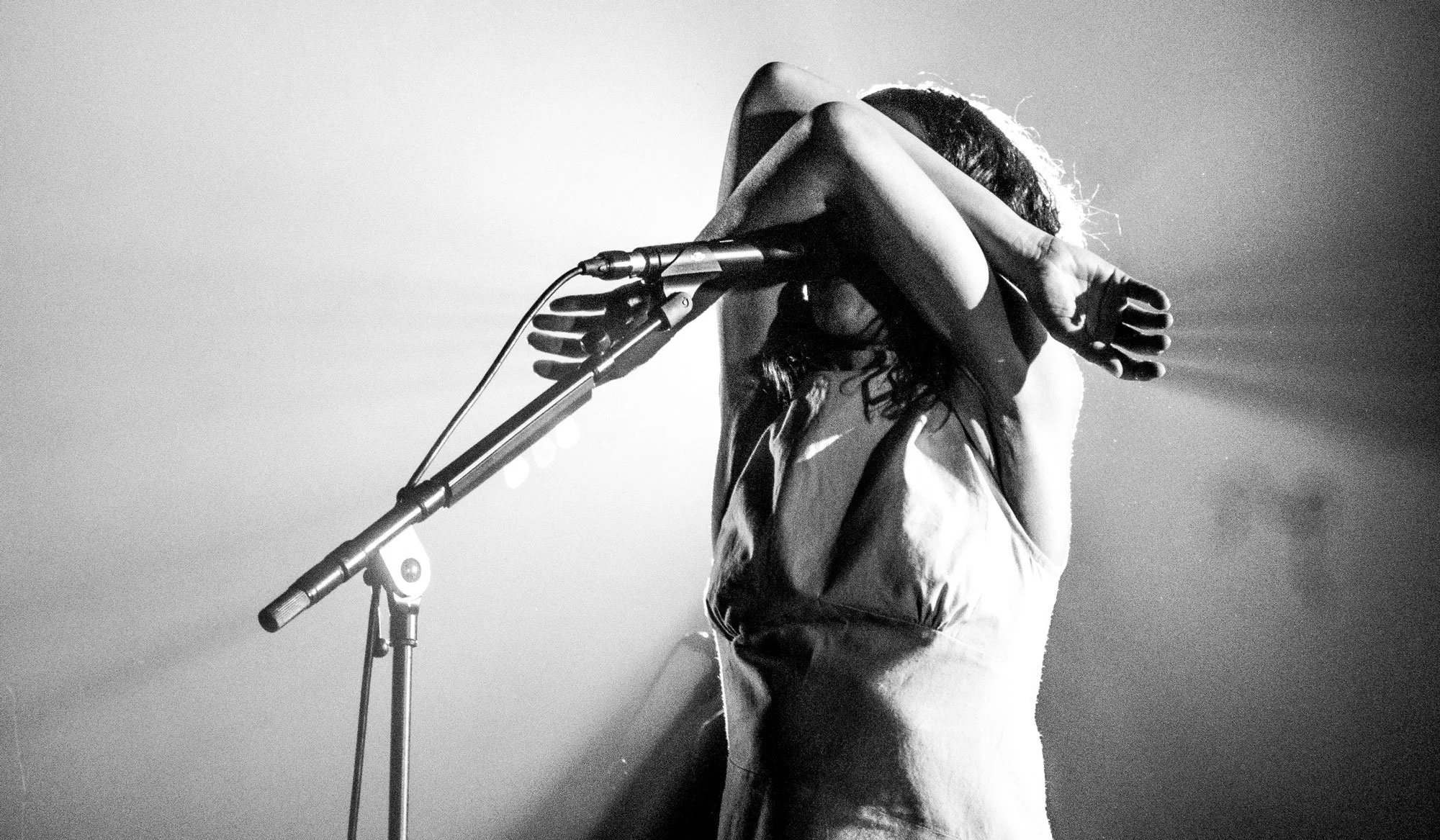
As a side note, building your portfolio doesn’t always have to contain concerts and festivals. At the end of the day, people are at the core. And band coverage also includes portraits before and after the show, or even further promo content for press and socials. Having high-quality imagery of people in your portfolio can showcase your diversity of skillset. Consider what your ultimate photography goal is, and tailor your portfolio to support that goal.
How to secure the most shows
The tricky aspect might be that you may not live in an area with local venues or when you do cover shows, they might not be that frequent. But coming to the end of the article, let’s summarise the position you might be in;
You’ve got a camera
You’ve started your photography portfolio tailored towards concert photography
You’re active supporting local musicians
The next step is to ramp up the amount of shows you cover. There’s two ways in which you will have the most success. One is go direct to the band like you have been doing. The same rules apply. You will have more success for the bigger bands when you have a stronger portfolio. Consider you will have more competition too, so what will make you stand out? The bigger artists social may not be controlled directly by the artist, so their management or PR team will also be an option (if you can track down the right email). The option with the best result will be to contribute to an online or physical magazine or review site. In this case, you will be piggybacking off of their following and success. This still isn’t easy as it is still extremely competitive to find a publication to support, and this is often for free, but it will give you the highest opportunity to cover shows when you are first starting out. As mentioned above, if your photography goal was to photograph Olivia Rodrigo, you could either spend years building up a portfolio and building connections with a slim chance to make this happen or build up your portfolio enough to have the opportunity to cover the show in support of a publication.
Even on larger scale shows, photo pits can be small and so a limited number of photographers will be able to cover, and for bigger artists, coverage needs to promise views. Music is a business and we always need to consider what we as photographers can offer.
The ultimate goal
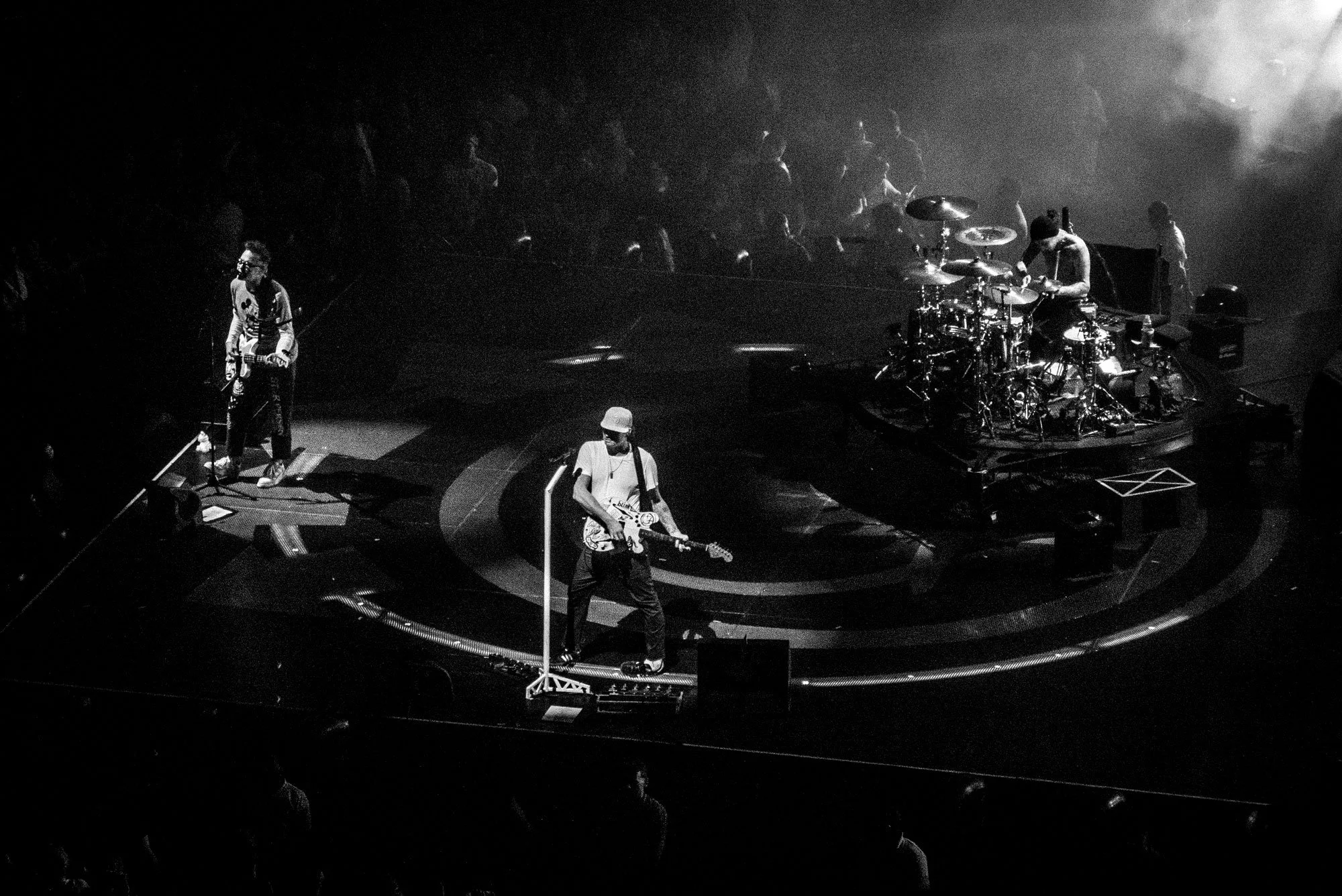
Music photography is a blessing but it’s also competitive, physically demanding and requires you to often spend more time emailing than actually photographing. At all times remember why you’re doing it. For the love of live music. It helps to have a ‘dream band’ or artist you want to cover and always have that in your mind when embarking on this journey. A bit like a vision board. Every step you take will help you get there.
This blog contains Amazon & eBay Affiliate links, which directly supports me and the content I produce.
Or you can Buy Me A Coffee as a way to say thank you :)